Tote Bag Pilgrimage: Why America's Museum Gift Shops Became the New Gallery
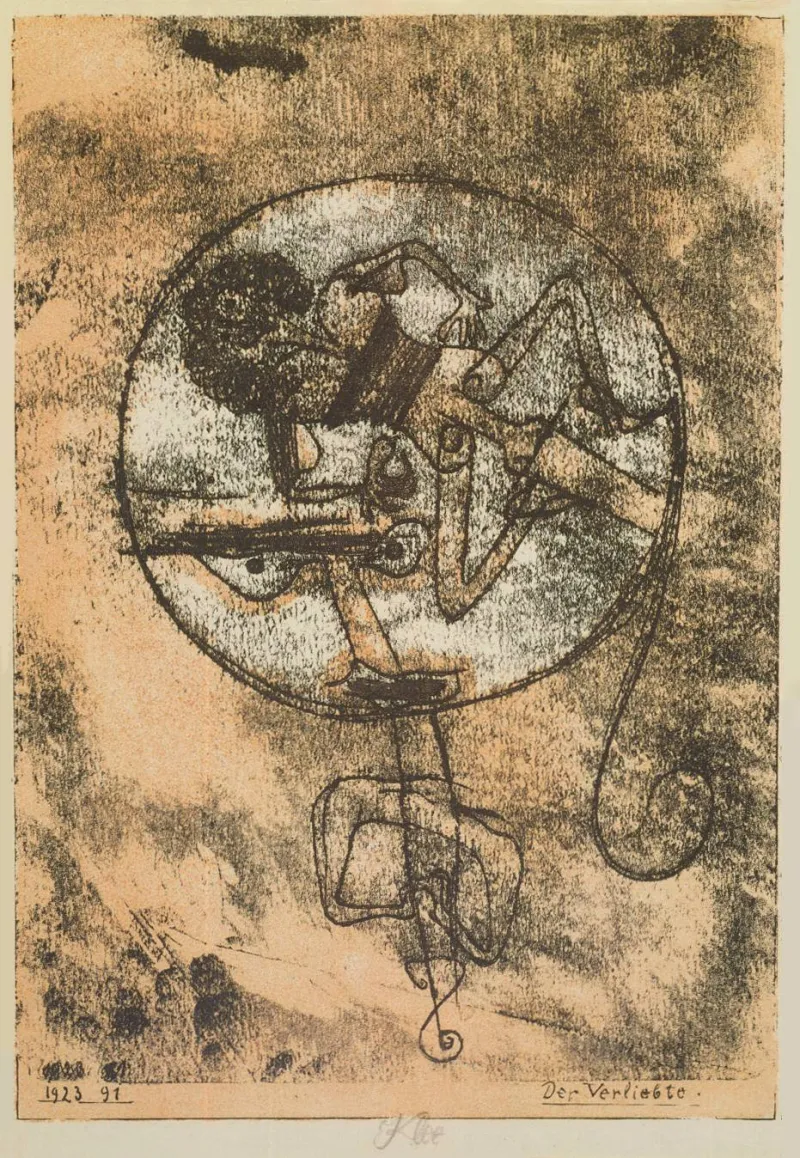
Photo: Paul Klee, Public domain, via Wikimedia Commons
There's a specific kind of chaos happening at the Museum of Modern Art on a random Tuesday afternoon. The galleries are busy but manageable. The gift shop? Packed. Shoulder-to-shoulder packed. And here's the kicker: a solid chunk of those people skipped the Rothkos entirely. They came for the merch.
If you haven't been inside an American museum gift shop lately, you're picturing the wrong thing. Forget dusty coffee table books and fridge magnets shaped like the building. Today's museum store is a fully realized design destination — part concept shop, part gallery, part fever dream of artist collaborations. And honestly? It might be the most interesting creative space in the country right now.
The Utensil That Broke the Internet
It started, as most things do, with something absurd. MoMA's reissue of a 1970s vegetable peeler — yes, a peeler — went viral on TikTok, racking up millions of views from people genuinely emotional about kitchen tools. The design nerds knew the piece already; it's in MoMA's permanent collection. But suddenly everyone's aunt was asking where to buy "that museum peeler."
That moment cracked something open. Museum stores realized they weren't selling souvenirs. They were selling access to taste — a physical token that says I have good design sensibilities without saying a word.
The peeler effect rippled fast. The Met leaned into collaborations with contemporary designers. Small regional museums started commissioning limited drops the way streetwear brands do. The Smithsonian's shops began treating their catalogs like editorial projects. Suddenly, the gift shop wasn't the epilogue to the museum visit. It was the reason for the visit.
Merch as the Exhibition
Here's the shift that should interest anyone who cares about digital culture: museum merch has quietly become an experimental medium. We're not talking about slapping a painting on a mug anymore.
Artists are being commissioned to design objects from scratch — sneakers, vinyl toys, Editions of 200-style drops that function more like art releases than retail inventory. Some museums now program their shops the way galleries program shows: rotating collaborations, themed collections, limited runs that sell out in hours. The store has become a venue. The tote bag is the wall label.
And the audience? Overwhelmingly young, design-literate, and chronically online. Gen Z grew up curating feeds and building aesthetic identities through screenshots and saves. Museum merch gives that curation a physical form. A LACMA lamp or a Whitney-designed deck of cards is a post for your story and an object for your shelf. It's IRL content with a receipt.
There's also a class-coded relief valve happening here. A museum ticket plus a $28 tote feels like participation. For a generation priced out of both the housing market and blue-chip art, a $40 artist-designed object is a legitimate way to live with art. Nobody's embarrassed about it anymore — the shame economy around "just buying the merch" has fully collapsed.
The Designers Behind the Drop
Talk to the people making this stuff and you hear a consistent theme: the gift shop is where experimentation gets funded. Museum commissions are weirdly free compared to commercial client work. There's no brand manager asking you to make the logo bigger. There's a collection, a century of visual history, and a mandate to make something people didn't know they needed.
Some designers treat the brief like remix culture — sampling the archive, chopping up a 1930s exhibition poster into a silk scarf pattern. Others go fully abstract, making objects that only gesture at the institution. The best pieces feel like they belong in the galleries upstairs, and increasingly, museums agree. Several institutions have started accessioning gift shop collaborations into their permanent collections. The shop is feeding the museum. The ouroboros is complete.
Digital artists have noticed too. Illustrators and 3D artists who built followings online are getting tapped for physical drops — a natural extension of the print-and-pin economy they've already mastered. The museum store offers something Instagram never could: scarcity you can hold.
Queuing for a Bag Instead of a Painting
Critics, predictably, are grumpy. The argument goes: people should come for the art, not the commerce. But this take misses what's actually happening. The shop isn't replacing the gallery experience — for many visitors, it's the on-ramp. You come for the tote. You stay for the show. You leave with both a bag and, statistically, a better chance of remembering what you saw.
Museums have always needed revenue. The difference is that now the revenue engine is also the most daring design experiment in the building. That's not a compromise. That's the concept meeting the cash register — and somehow, both winning.
So next time you visit an American museum, do the embarrassing thing. Skip straight to the shop first. Linger. Handle the objects. Read the designer credits like wall text. The most interesting show in the building might be the one with a price tag — and unlike the gallery, you're allowed to take it home.