Numbered, Stamped, Gone in 90 Seconds: The Artists Running Their Own Merch Drops Like Streetwear Houses
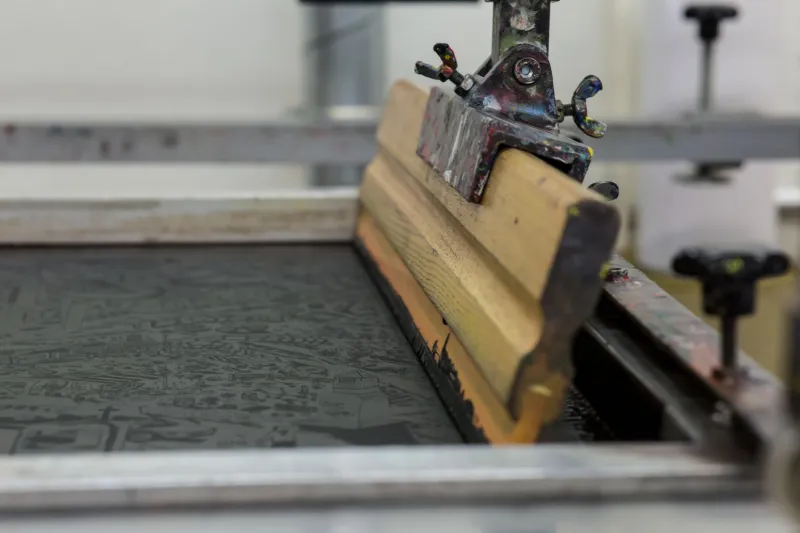
At 11:58 on a Thursday, the Discord goes quiet. Two minutes later, a link drops. By noon, the run — 150 screen-printed tees of a digital illustration that only existed on someone's iPad six weeks ago — is sold out. No gallery. No dealer taking 50 percent. No opening reception with warm rosé and lukewarm small talk. Just an artist, a Shopify page, and a countdown timer doing the work a velvet rope used to do.
Welcome to the merch drop era, where American digital artists are running themselves like tiny streetwear houses — and honestly, it's working better than the traditional art world ever did for most of them.
The Streetwear Playbook, Minus the Bouncer
The mechanics will be instantly familiar to anyone who's ever refreshed a Supreme page or waited in a virtual line for a sneaker collab: limited quantities, numbered editions, timed release windows, and the occasional surprise drop announced only to a mailing list. Artists took one look at how streetwear turned cotton and ink into cultural events and asked the obvious question — why can't illustration work the same way?
The answer, it turns out, is that it can, and it already does. Los Angeles-based illustrators are publishing quarterly "seasons" like fashion labels. Artists in Chicago and Portland are building collab calendars, trading release dates with friends so their audiences don't cannibalize each other. Some run numbered runs so small — 40 pieces, each hand-embossed with an edition number — that the drop sells out before most people even see the notification.
The key shift is psychological. A print sold year-round is decor. A print available for 90 minutes on a Tuesday is an event. Scarcity reframes the object, and the buyer isn't just purchasing art — they're timestamping their membership in a scene.
Why Artists Are Ditching the Dealer
The traditional gallery route has always had a brutal math problem. A typical gallery commission runs 40 to 50 percent, payment cycles stretch for months, and getting on a wall in the first place requires gatekeeping that has never exactly been welcoming to people who make their best work in Procreate.
The drop model flips the entire structure. An artist selling a $45 shirt at an 80 percent margin, direct to 400 followers who actually want it, out-earns most first-time gallery exhibitions — and keeps the email list, the data, and the relationship. No one else stands between the artist and the audience holding a cut.
There's a craft argument here too. Running your own drop means controlling the packaging, the thank-you card, the tissue paper color, the sticker tucked into the mailer. Artists describe it as extending the artwork into the unboxing. When your practice is digital, the physical artifact is the rare thing — so the rare thing better feel considered.
The Collab Calendar Is the New Group Show
Here's the part that most closely mirrors the old art world: artists aren't doing this alone. Cross-promotion drops — two artists releasing complementary pieces on the same day, each pushing the other's work — function as the group shows of this economy. A shared drop introduces each audience to the other artist, and the combined hype lifts both runs.
Some scenes have gotten surprisingly coordinated. Animation-adjacent artists in the LA orbit time drops around industry lulls. Illustrators tied to gaming communities sync releases with major conventions like PAX or Anime Expo, when their audiences are most online and most in the mood to spend. It's distribution strategy dressed up as friendship, and nobody's pretending otherwise.
Is Scarcity Just a New Velvet Rope?
Not everyone's celebrating. Critics of the drop model point out that artificial scarcity is still artificial scarcity — the same exclusion mechanic galleries used, just gamified and shipped in a poly mailer. If you missed the window, you missed it, and resale prices on secondary markets can hit three or four times retail for popular artists.
Others push back that the comparison is unfair. Gallery exclusion was baked into the structure — who you knew, where you went to school, what zip code you lived in. Drop exclusion is just... timing. Anyone with the link can buy. The playing field is flatter, even if the sprint is faster.
There's also a burnout question. Streetwear culture ate itself partly because the drop treadmill never stopped. Artists now juggle design, production, fulfillment, customer service emails about lost packages, and the content calendar needed to keep hype alive between releases. The romantic version — artist alone with their work — has been replaced by artist as one-person fashion house, logistics department included.
The Real Art Might Be the Release Strategy
Spend enough time around drop-culture artists and a funny thing becomes clear: the release itself has become part of the practice. The teaser campaign, the countdown, the cryptic Instagram story two days before — these aren't marketing accessories to the art. They're the art, extended in time. The piece isn't finished when the file renders. It's finished when the room goes quiet in the Discord at 11:58.
For a generation of artists raised on limited-run sneakers and Fortnite event skins, that's not a compromise. It's the native format. The gallery gave you a quiet room and a wall label. The drop gives you a countdown, a community, and a shirt that means something because 149 other people can't have it.
The velvet rope isn't gone. It just got a countdown timer — and for the first time, the artist is the one holding the key.