Anti-Viral by Design: The Creators Who Are Deliberately Breaking the Algorithm
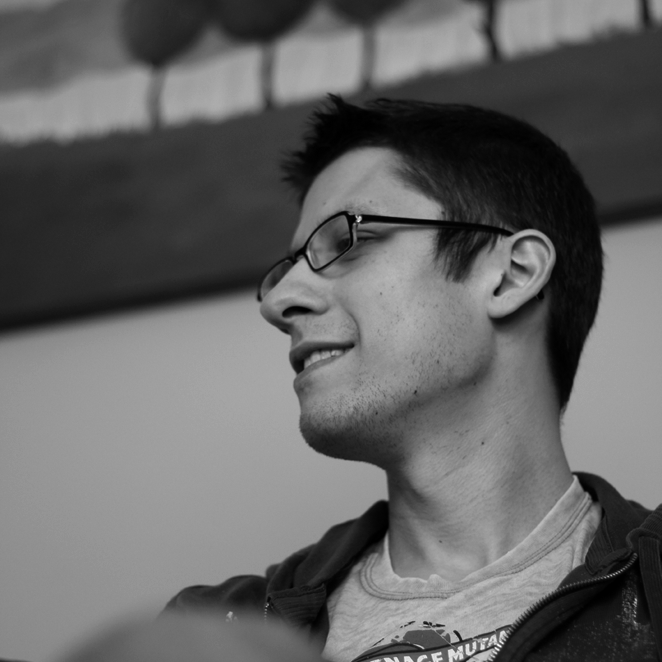
Photo: Joel McDonald (Polyculture), CC BY-SA 3.0, via Wikimedia Commons
Imagine spending weeks on something — really grinding on it — and then uploading it in a format that guarantees almost nobody will see it. Wrong aspect ratio. No thumbnail hook. Title that reads like a captcha. Description that actively discourages clicks. Then you post it, watch the analytics flatline, and feel genuinely satisfied.
That's not a thought experiment. That's what a growing pocket of digital creators, including a surprisingly vocal contingent in the indie gaming scene, are actually doing. And they're not doing it out of spite or incompetence. They're doing it on purpose, with real craft, as a deliberate act of resistance against the platforms that increasingly dictate what gets made.
The Algorithm Problem Nobody Wants to Say Out Loud
Here's the uncomfortable truth about content creation in 2024: the algorithm isn't just a distribution tool. It's a creative director. When every upload gets immediately scored on watch time, click-through rate, share velocity, and a dozen other metrics, creators start designing for those metrics before they design for anything else. The format shapes the content before a single frame is shot or a single level is built.
For indie game developers and digital artists, this has produced a specific kind of anxiety. You're making something weird and interesting and personal, and then you have to package it in a way that looks like everything else that already performed well. The game trailer has to hit certain beats. The devlog has to have a hook in the first three seconds. The thumbnail has to pop at 120 pixels wide. All of that is real craft — but it's craft in service of a machine that doesn't care about your actual work.
Some creators have decided they're done negotiating.
What Anti-Viral Actually Looks Like
The tactics vary, but the intent is consistent: make something the algorithm cannot classify, reward, or replicate.
In the indie game space, this has produced some genuinely fascinating experiments. Developers uploading games to itch.io with descriptions written in dense, unparseable prose. Trailers that are four minutes of ambient sound over a static image. Gameplay footage that's been deliberately degraded — not glitch-art stylized, just... bad-looking. Technically competent but aesthetically hostile to the "clean, shareable clip" format that gaming content is supposed to follow.
One developer, based out of Portland, released a game earlier this year with no screenshots, no GIFs, no video — just a text file that described the game in a way that raised more questions than it answered. The itch.io page got almost no organic traffic. It also got written up in three different indie gaming newsletters because the people who found it couldn't stop talking about it. Zero algorithm traction, genuine word-of-mouth spread. That's not an accident.
On the visual art and video side, the techniques are different but the logic is the same. Creators are uploading work in formats that break auto-play previews. Posting at hours when their own audiences are asleep. Using titles and tags that are technically accurate but completely unsearchable. Some are going further — deliberately tanking their engagement metrics on one platform to protect the work from being boosted into an audience that won't get it.
Why This Is Specifically a Gaming Thing Right Now
Gaming content is one of the most algorithm-saturated creative spaces on the internet. YouTube's gaming categories, TikTok's game clips, Twitch's discovery system — all of it runs on engagement signals that heavily favor certain types of content. Fast cuts. Loud reactions. Recognizable titles. Satisfying completion loops. The indie game that's slow, weird, and emotionally ambiguous is fighting an uphill battle from the moment it uploads.
That's made indie developers particularly attuned to the ways algorithmic pressure distorts creative decisions. There's a real conversation happening in indie dev communities — on forums, in Discord servers, at events like IndieCade — about whether optimizing for discoverability is actually destroying the thing that makes indie games worth discovering in the first place. The anti-viral movement is, in part, a response to that conversation getting loud enough that people started acting on it.
There's also a generational angle. A lot of the creators doing this came up watching the early YouTube era, when weird, niche content could find its audience slowly and organically. That era is gone, but the desire for it isn't. Deliberately anti-algorithmic work is, weirdly, nostalgic — a way of recreating the conditions under which surprising things could exist without immediately being optimized out of existence.
Is This Actually Resistance, or Just a Different Kind of Branding?
Fair question. There's an obvious tension in "going viral for being anti-viral" — and it's happened more than once. A creator uploads something deliberately unfindable, it gets picked up by a newsletter or a Reddit thread, and suddenly it's everywhere. Does that undermine the whole project?
Most of the creators doing this seem genuinely unbothered by the paradox. The goal was never total invisibility — it was refusal to optimize for visibility. The difference matters. If the work finds an audience through human curation, through someone caring enough to share it personally, that's a completely different circuit than algorithmic amplification. The latter flattens context. The former preserves it.
There's also an argument that the anti-viral aesthetic is doing something more interesting than simple rejection. By making work that frustrates algorithmic packaging, these creators are essentially forcing a choice: either you engage with the thing on its own terms, or you don't engage with it at all. That's not just resistance. That's a curatorial act. It's the creator deciding what kind of attention their work deserves.
The Radical Proposition Hiding in Plain Sight
At its core, the anti-viral movement is making a claim that sounds almost quaint in 2024: that not everything needs to be optimized, and that the act of refusing optimization is itself meaningful.
In a media environment where even "authentic" content is A/B tested and "raw" aesthetics are reverse-engineered from engagement data, that claim has real teeth. Making something designed to be ignored — and making it well — is maybe the most honest creative statement available right now.
It won't scale. It won't trend. The algorithm will never recommend it to you.
Which is, of course, entirely the point.