Nobody's Awake, Everyone's Watching: Inside the Overnight Livestream Art Scene
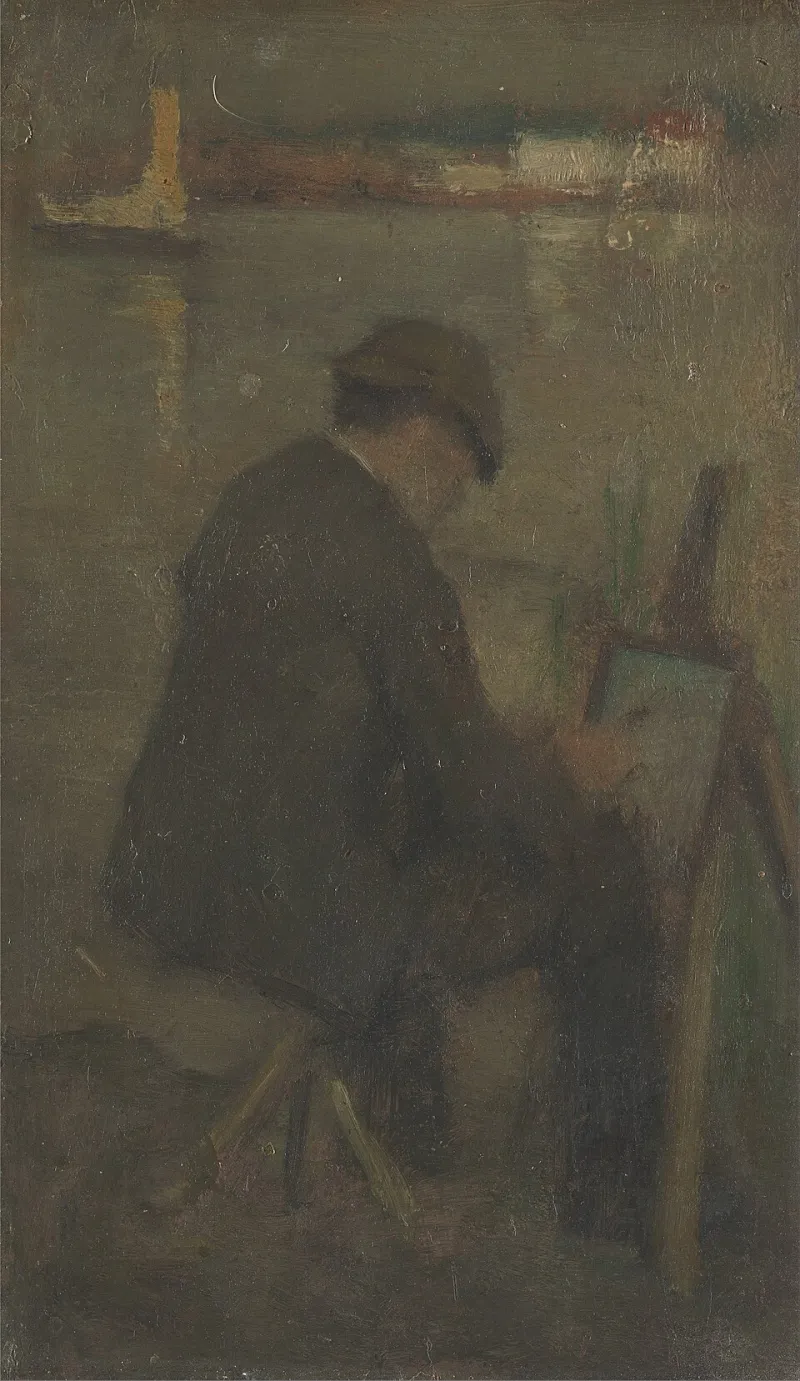
Photo: Walter Greaves, Public domain, via Wikimedia Commons
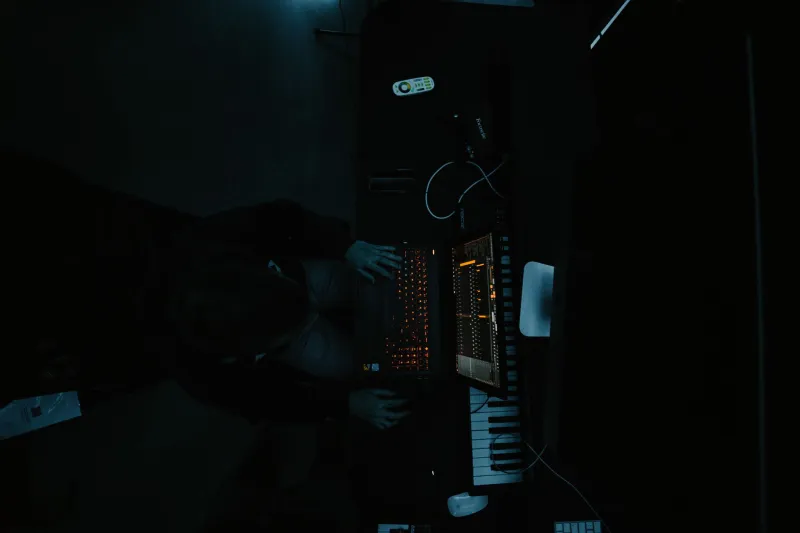
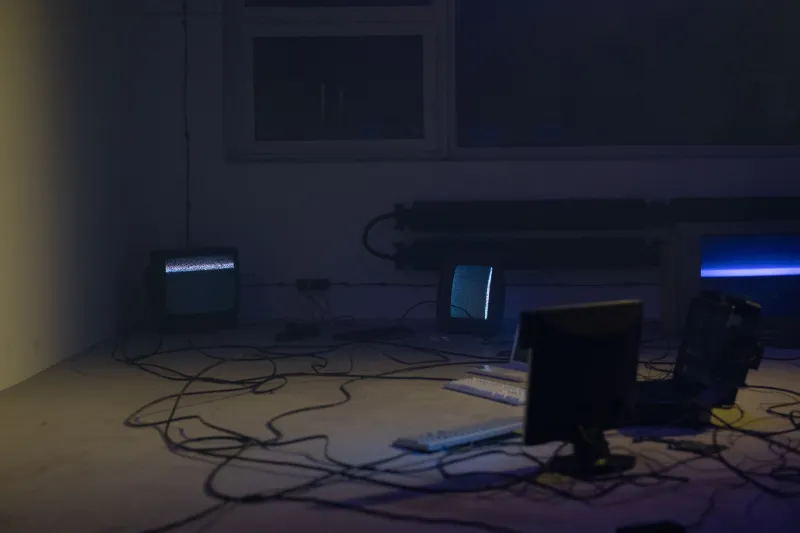
It's 2:47 a.m. on a Tuesday. Most of the country is unconscious, but on a Twitch channel with 43 viewers, someone in a dimly lit apartment in Columbus is blending a digital oil painting of an abandoned gas station. Nobody's talking much. Occasionally the artist mutters something about the sky looking wrong. The chat responds with a single lowercase message: "the sky is always wrong at first."
Welcome to the overnight livestream art scene — the quietest corner of the creator economy, and possibly the most honest one.
The Anti-Portfolio
Scroll through Instagram and you'll see finished work, cropped, color-corrected, captioned with just the right amount of false modesty. Scroll through a late-night art stream and you'll see something else entirely: the twelve failed versions of the hand. The moment the artist hates everything they've made. The coffee mug used as a color reference.
That difference matters more than it might seem. For years, artists online were trapped in what you could call portfolio theater — the pressure to post only wins, to make every piece look effortless. Livestreaming blew that open. When someone watches you paint for four hours, there's nowhere to hide the struggle. The struggle is the content.
And viewers, it turns out, are starving for it. The audiences are small — often 20 to a few hundred people per stream — but they show up night after night like it's a show with recurring characters. They know the artist's cat's name. They remember the piece from three weeks ago that never got finished. They ask about it.
Why 3 A.M. Works
There's a reason the overnight slot, which sounds like a scheduling disaster, actually functions. Part of it is practical: many of these artists stream after their day jobs, and the post-midnight hours are when the internet is quietest and least competitive. But the timing also shapes the vibe.
Late-night internet has its own culture. The people awake at 3 a.m. — nurses coming off shifts, college students on deadline, new parents, genuine insomniacs — tend to be a gentler, weirder, more sincere crowd. Twitch's daytime gaming channels can be loud and ironic. The overnight art channels run on low-stakes small talk and the occasional deeply vulnerable confession in chat.
One painter based in Portland describes her 1-to-5 a.m. streams as "the group chat that never sleeps." Another streamer in Georgia codes generative visuals to a room of a dozen regulars, most of whom he's never met in person but considers genuine friends. There's a term for this in the community: "third-shift friends."
Monetizing the Mess
Here's where it gets interesting from a business angle: these creators aren't selling paintings, exactly. They're selling proximity to process.
The revenue streams look different from traditional art sales. There are subscriptions and tips, sure, but also things like process archives — VODs of full sessions that collectors pay to access. Some streamers run "watch it be born" commissions, where patrons pay to have a piece created live, start to finish, with the patron's input woven into the stream. Others sell the rough stuff: timelapse bundles, brush packs, the half-finished PSDs that would've been considered embarrassing to share a decade ago.
The logic inverts the old art market. A gallery sells the outcome. The stream sells the becoming. And for a generation raised watching speedruns and unboxings, watching someone grind through a creative problem for four hours isn't boring — it's the point. It's proof of labor in an economy that keeps telling everyone everything is instant.
The Authenticity Economy
Zoom out and the overnight art stream is part of something bigger: a broad cultural correction against over-polish. The same impulse driving the popularity of lo-fi study streams, raw vlogs, and deliberately unglamorous studio tours. Audiences have gotten fluent in detecting curation, and they've grown skeptical of it.
Watching art get made in real time is the hardest thing to fake. You can't hide a bad session behind a filter. If the painting collapses at hour three, everyone watches it collapse. That risk is the product.
There's also something quietly democratic about it. Traditional art validation — gallery representation, juried shows, magazine features — has always been gated by geography and connections. The overnight streamer in rural Ohio has the same access to an audience as someone in Bushwick. The gatekeeping didn't disappear, but the gate moved, and the new gate is consistency: can you show up, night after night, and let people watch you try?
The Smallness Is the Feature
The obvious critique is scale. Forty viewers? That's not a career, that's a hobby with extra steps. But talk to the people doing it and the framing feels wrong. Many of these streamers describe the small audience as essential to the format — big enough to feel witnessed, small enough to feel like a room, not a stadium.
One sculptor who streams to an average of 60 people put it plainly: "If a thousand people watched me work, I'd be performing. With sixty, I'm just working, and they happen to be there."
That distinction — performing versus working — might be the whole thesis of the scene. In an internet that rewards the highlight, thousands of artists and their third-shift companions have decided the process deserves the spotlight instead. The rest of America is asleep. The painting is getting worse before it gets better. And for the few dozen people watching, that's exactly the show they came for.